(mainichi.jp)
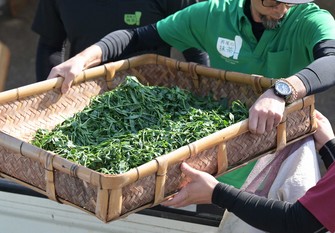
Since the COVID-19 pandemic and the heightened health consciousness it brought with it, matcha green tea has caught the attention of people worldwide, its popularity spreading to North America, Europe, Africa, the Middle East and Asia. The demand for green tea leaves has resulted in a shortage and a subsequent spike in prices. The Mainichi Shimbun briefly answers questions readers may have about the situation.
Question: How much matcha tea does Japan export?
Answer: According to the Japan Tea Export Promotion Council, Japan had exported 6,889 metric tons of powdered tea (including matcha) this year as of October, already more than the total 5,092 tons exported in 2024 and higher than any other year. This has resulted in approximately 44.6 billion yen (about $287 million) in export value, more than double the same period in 2024. The United States has been the biggest importer, buying some 2,929 tons -- over 40% of total exports.
Q: Will we have matcha shortages?
A: There has been an increase in farms switching from producing regular green tea leaves to "tencha," the raw ingredient for matcha. However, laborious processes including covering tea leaf sprouts to protect them from sunlight make a rapid increase in production challenging. Inquiries from around the world are flooding tea growers across Japan as bulk buyers seek direct purchases.
Q: How is the situation with other forms of green tea?
A: While the industry is responding to the matcha trend, green tea leaf shortages have driven up prices. Beverage companies raised prices in October, and Coca-Cola Bottlers Japan Inc. plans another price hike for its "Ayataka" brand in March 2026, with Ito En Ltd. also announcing a price increase for "Oi Ocha." In mid-October, tea leaf prices surged briefly to nearly 10 times those of 2024. Industry voices express uncertainty, with Ito En President Daisuke Honjo stating, "It's unclear if the matcha boom will continue, but prices are likely to remain high for now."