(open.substack.com)
Happy New Year!
For the first edition of The Understory for 2026, we dive into:
A rare polar bear adoption in Canada
A Mexican village reconnecting its mangrove forest to the sea
A thrift store funding solar panel projects for its small Vermont community
10,000 acres along the Klamath River returned to the Klamath Indigenous Land Trust
—and more!
Treat yourself to a nice tea or coffee, and enjoy ☕️
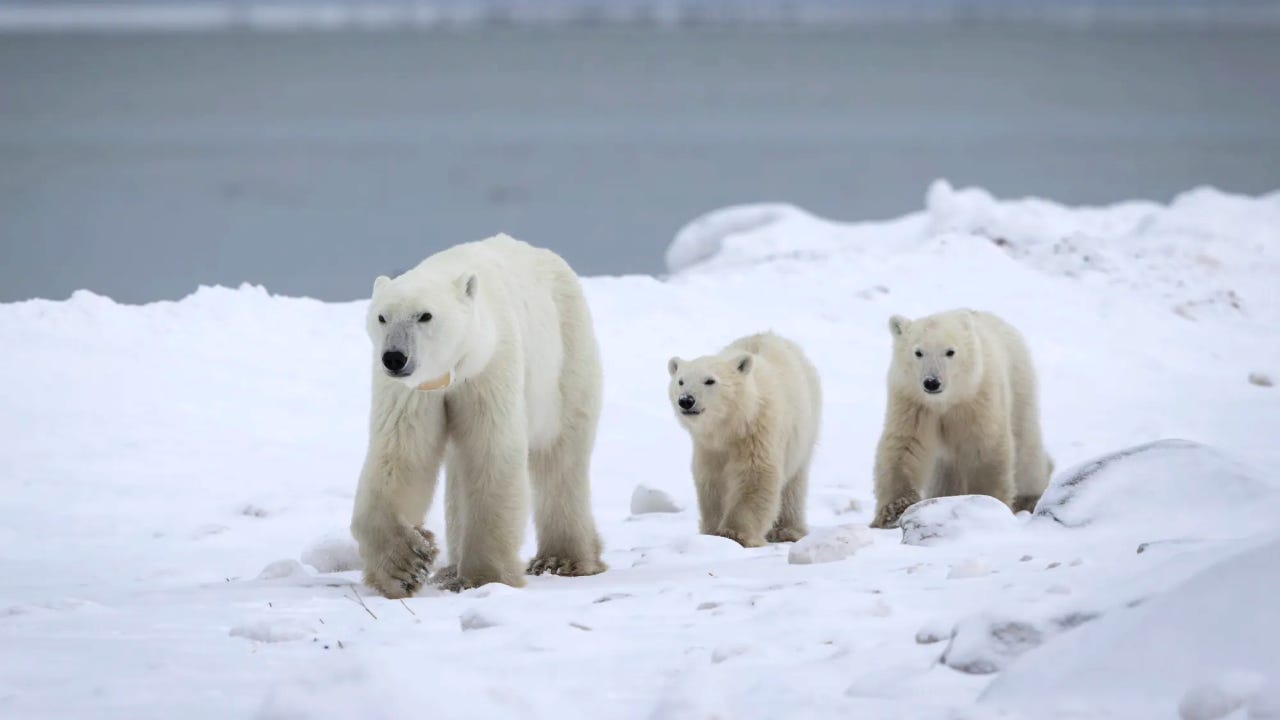
Source: Discover Churchill
In northern Canada, researchers have documented something both rare and deeply moving: a polar bear mother has successfully adopted a cub that was not her own.
The female bear, known to scientists as X33991, was first observed emerging from her den in spring with a single cub. Months later, as she made her way along western Hudson Bay during the annual migration toward the sea ice, researchers spotted her again, this time accompanied by two cubs.
After careful monitoring, scientists confirmed what they were seeing was genuine adoption.
According to the country’s department of environment and climate change, this is just the 13th recorded case of polar bear adoption in the past 45 years within the well-studied Western Hudson Bay subpopulation — a population that has included more than 4,500 individual bears over that time.
Both cubs are estimated to be around 10–11 months old, and polar bear cubs typically stay with their mothers for another one to two years, learning to hunt and survive before heading out onto the sea ice alone.
Researchers don’t know what happened to the adopted cub’s biological mother, though what they do know is a cub alone at that age would almost certainly not survive. Thanks to X33991, it now has a second chance at life. The family is currently being tracked, allowing scientists to monitor their movements and the cubs’ survival.
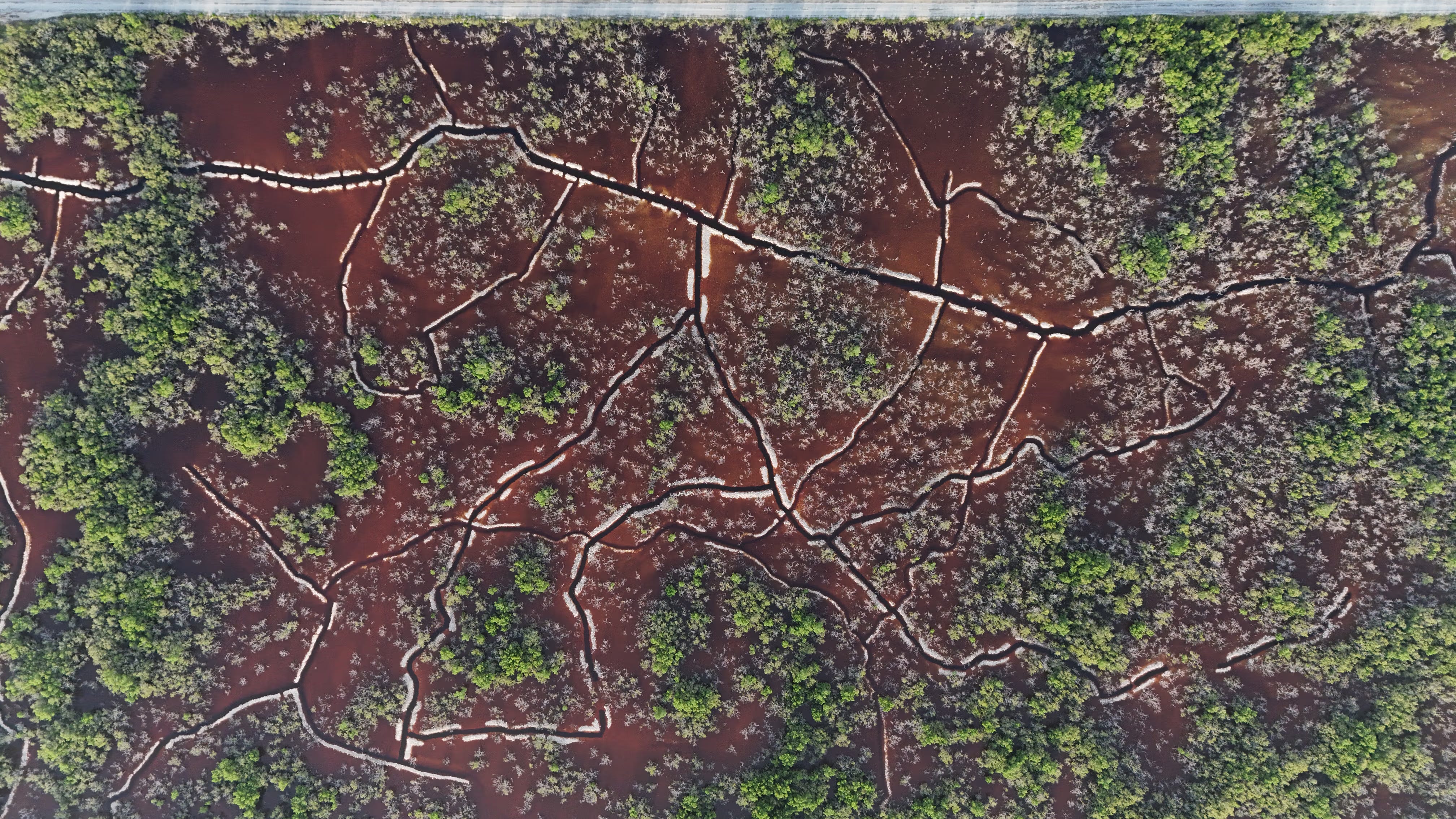
Source: Asis Alcocer
Off Mexico’s Yucatán coast, a single road changed everything. Built roughly 40 years ago, the road linking Isla Arena to the mainland unintentionally cut off a once-thriving mangrove forest from the ocean’s tides. Without regular seawater flow, the ecosystem slowly unravelled, with water becoming stagnant, salinity spiking, temperatures rising, and wildlife disappearing.
The small community of just 1,000 people depends on healthy mangroves, as they serve as nurseries for the fish and crabs that sustain local fishing. So, the community took restoration into their own hands.
Armed with shovels and determination, locals began digging tidal channels by hand, working to restore natural water flow beneath and around the road. Culverts were later installed, and with every new channel, the ecosystem began to respond.
So far, the community has restored tidal flow across 31,000 acres of mangroves through the creation of roughly 9 kilometres of tidal channels. They have also begun planting 30,000 mangrove seedlings to accelerate the ecosystem’s recovery.
As a result, Flamingos, absent for years, have returned — a sign that crabs and fish that the birds feast on have also come back.
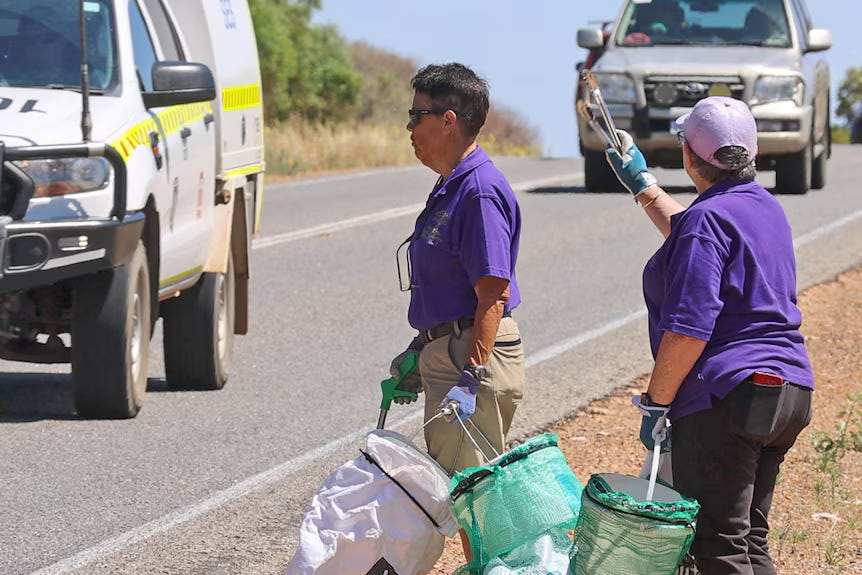
Source: ABC News
In the coastal town of Dongara, Western Australia, known for its natural beauty, three retirees decided they couldn’t ignore the growing tide of roadside rubbish any longer.
After noticing litter piling up along the highways, Glenda Green, Sherry Martin, and Glenys Bellus took matters into their own hands. Armed with gloves, tongs, and garbage bags, the trio, affectionately known as the Roadside Rubbish Relics, now spend up to six hours a day, three days a week, cleaning long, sun-baked regional roads.
Since they started a little over a year ago, the trio have removed an estimated 8–10 tonnes of rubbish, including more than 13,000 drink bottles. The women also point out that it’s not just items people toss out of their windows, but also trailer loads of construction waste — which they then properly dispose of themselves.
Their impact hasn’t gone unnoticed. The Western Australian state government recently awarded the trio a Tidy Towns award, with judges noting a clear reduction in litter and a significant improvement in the town’s presentation.
Community members now regularly stop to thank them, dropping off cold water, coffee, or small donations.
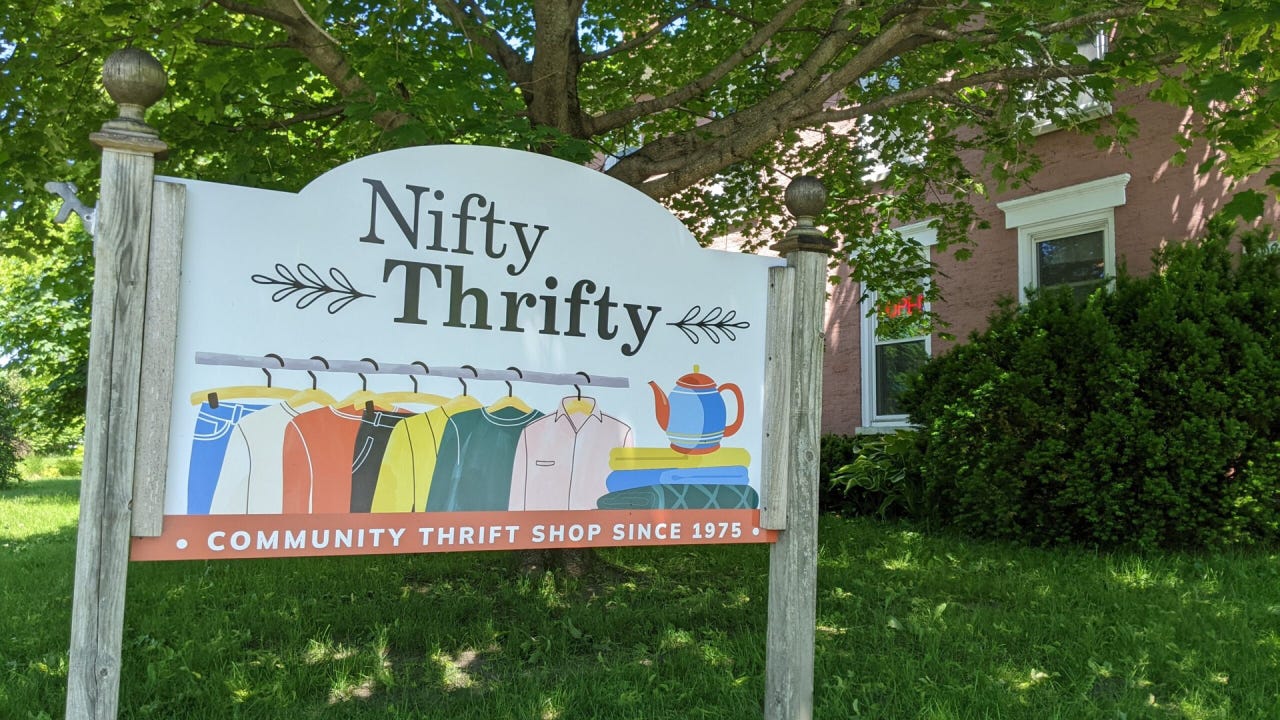
In Brandon, Vermont, a small thrift store is making a big investment in its community’s future.
In time for its 50th anniversary, The Nifty Thrifty pooled together $50,000, and rather than spending the money on itself, the volunteer-run store chose a project that would benefit everyone.
The donation will support three local solar installations, expected to save taxpayers around $10,000 every year — long-term savings that will ripple through the community.
And this isn’t a one-off. In the past, the store has paid for free swimming lessons so every local child could learn to swim, and donated $500 nearly every month to local community groups.
Source: The Scientist
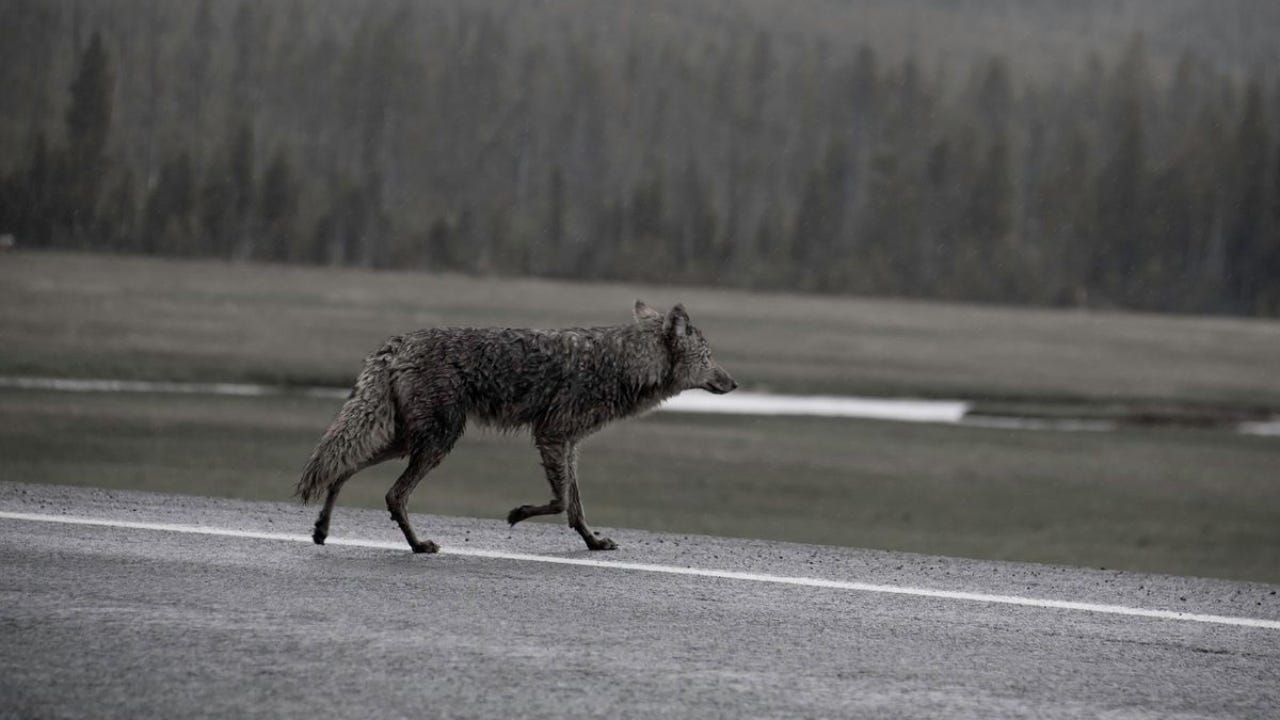
Grey wolves are known for reshaping ecosystems, but researchers have uncovered a surprising benefit of their return: fewer car crashes.
A long-term study by researchers at the University of Wisconsin examined 22 years of data comparing wolf population recovery in Wisconsin with vehicle-deer collisions. They found that as wolves spread across the state, collisions with deer dropped by an average of 24%.
At first glance, it might seem like wolves were simply reducing deer numbers, however the scientists suggested that the reduction in deer likely contributed only about 6% of the decline.
Instead, researchers found something more subtle at play. Using GPS collars, scientists tracked wolves around Voyageurs National Park and nearby areas. Wolves frequently used roads and trails to move through the landscape, and deer, instinctively avoiding predators, began steering clear of those same areas. Similar patterns have been observed by other researchers in Quebec, Canada, with elk, deer and moose, though that research is yet to be published.
The study estimates that in the state, wolves now help prevent over 1,000 vehicle collisions each year, 43 human injuries, one human death, and roughly $11 million USD in avoided costs per year.
Source: American Rivers
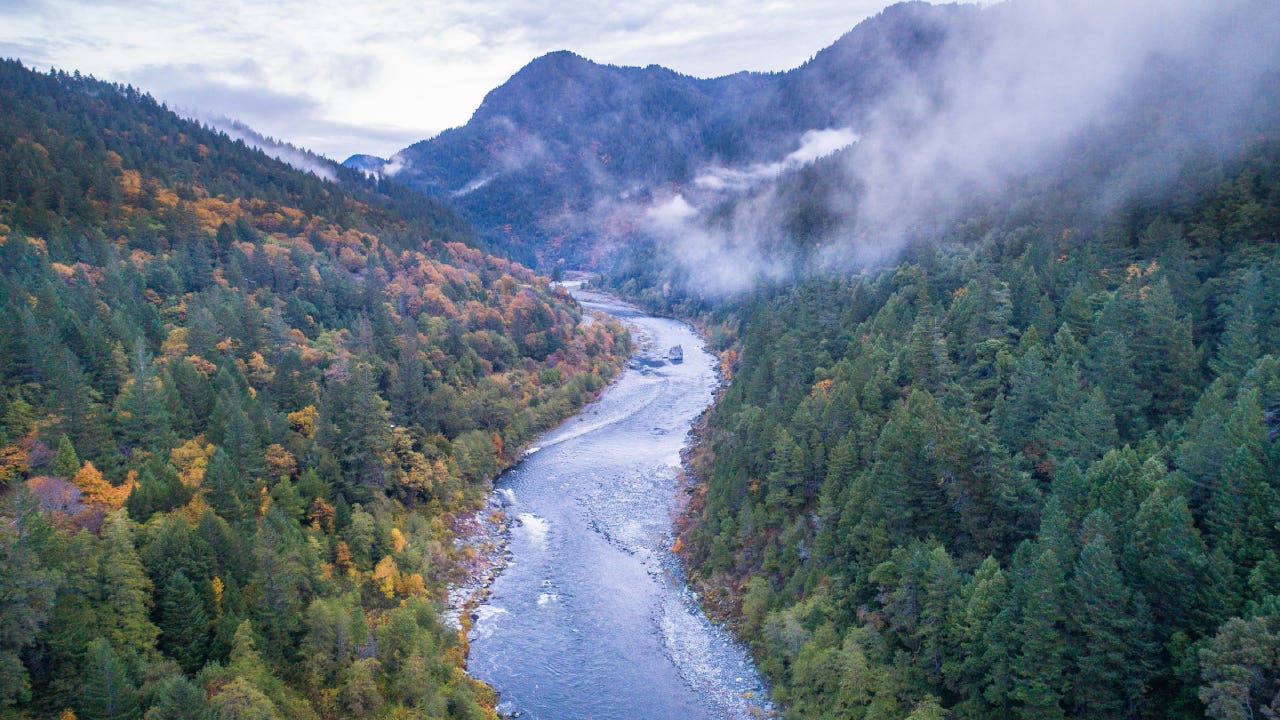
Along the Klamath River in California, a major land return is helping write the next chapter of one of the largest river restoration efforts in U.S. history.
The Klamath Indigenous Land Trust has acquired 10,000 acres of ancestral land from PacifiCorp — the same energy company whose dams blocked the river for more than a century. The land spans critical habitat above and below the former dam sites and holds immense ecological and cultural significance.
The trust is a coalition representing the Karuk, Yurok, Hoopa Valley, and Modoc Tribes, formed in 2002. Funding for the purchase came from the Catena Foundation, the Community Foundation of New Jersey, and an anonymous donor. The purchase is one of the largest Indigenous-led land acquisitions to date.
With ownership restored, the Tribes will now develop stewardship plans grounded in cultural values and ecological priorities, including salmon habitat recovery, cultural site protection, fire management, and public access.
As one former Tribal chairman described it, this acquisition marks the next chapter in the Klamath River’s renewal, ensuring it remains a place where salmon, ecosystems, and culture can once again thrive together.
The Derwent Estuary Program is looking for an Estuary Scientist — Tasmania, Australia
Assystem is hiring a Graduate Environmental Consultant — London, UK
The Surfrider Foundation is searching for a Coasts and Climate Summer Graduate Intern — Remote
Environmental Science Associates is recruiting a Biological Resources and Environmental Sciences Intern — California, USA
The Duchy of Cornwall is searching for a Head of Renewables Development - Multiple locations, UK
Conservation International is on the lookout for a Natural Climate Solutions Partnerships Senior Manager — Tokyo, Japan
Thank you for reading another edition of The Understory!
If you enjoyed this week’s dose of good news, please consider forwarding it to someone who could use a little positivity in their inbox.
Thanks again for reading, I’ll be back next week with more!
Domenic