(9to5google.com)
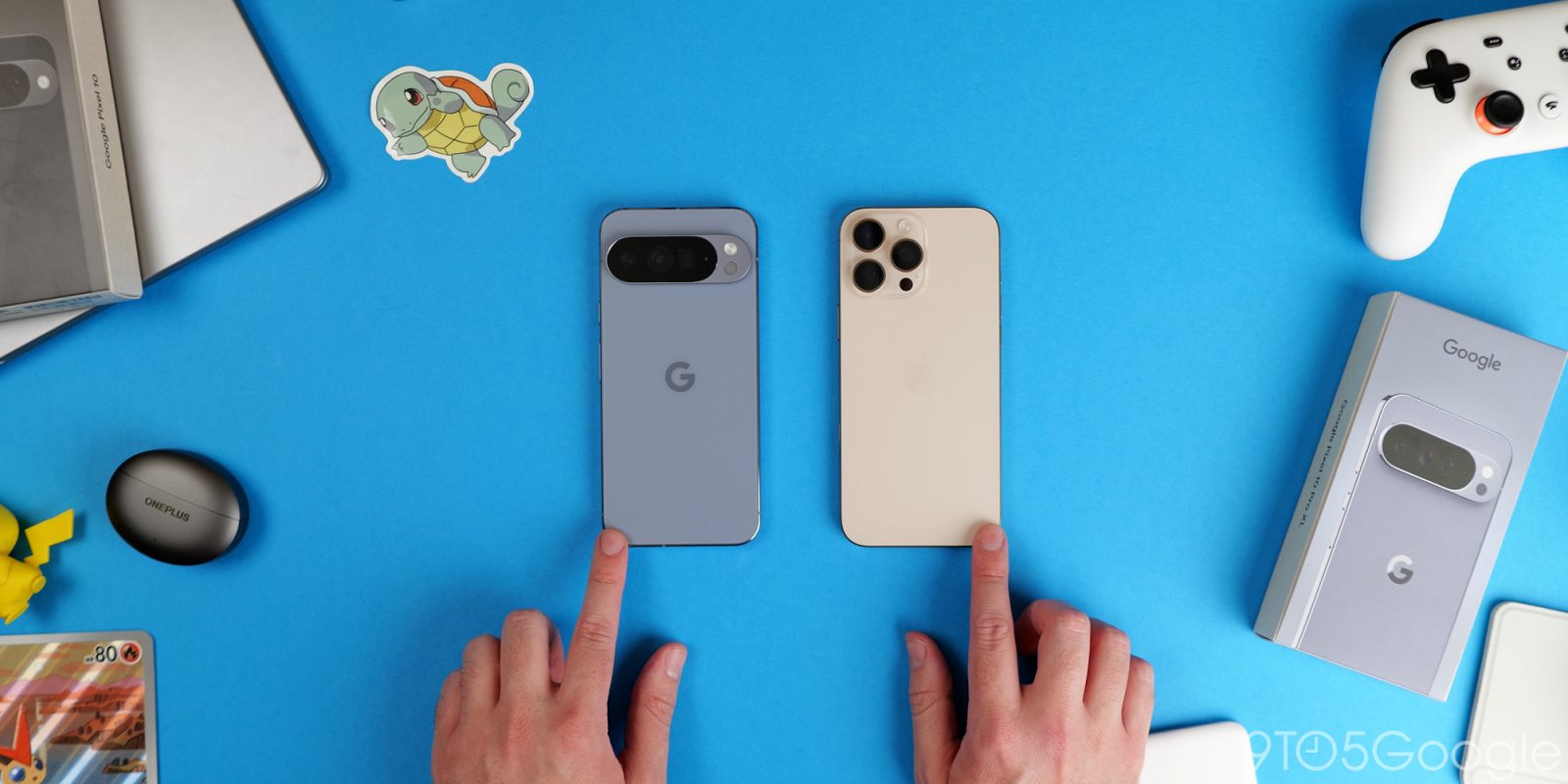
It’s not a new concept, but what is it with Android OEMs and straight-up ripping off or copying Apple so brazenly lately? Let’s get into the reasons why.
Table of contents
For more video content, subscribe to 9to5Google on YouTube.
The great imitators
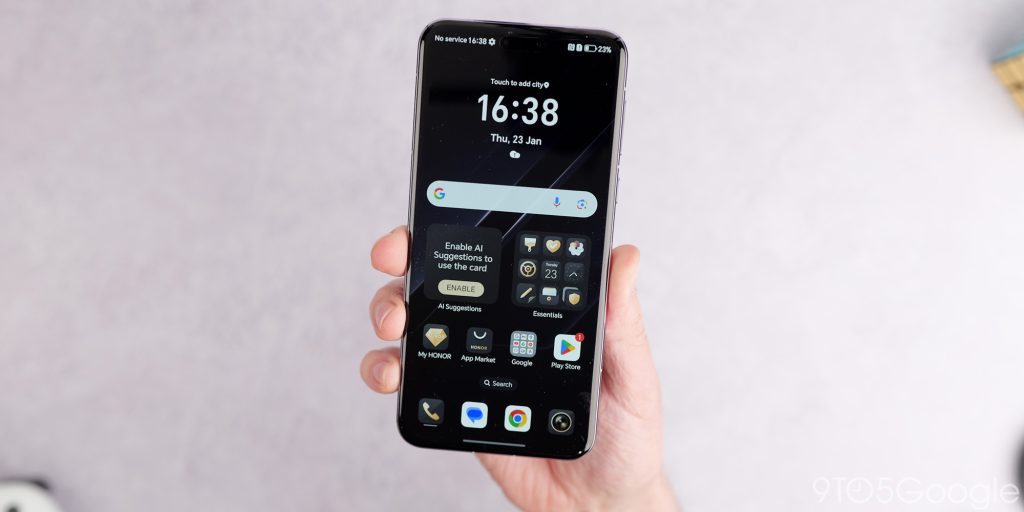
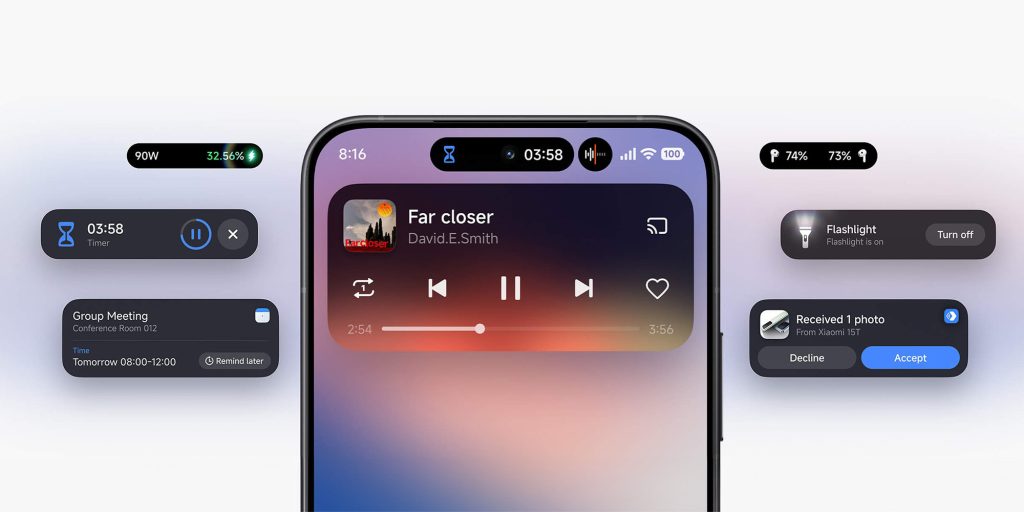
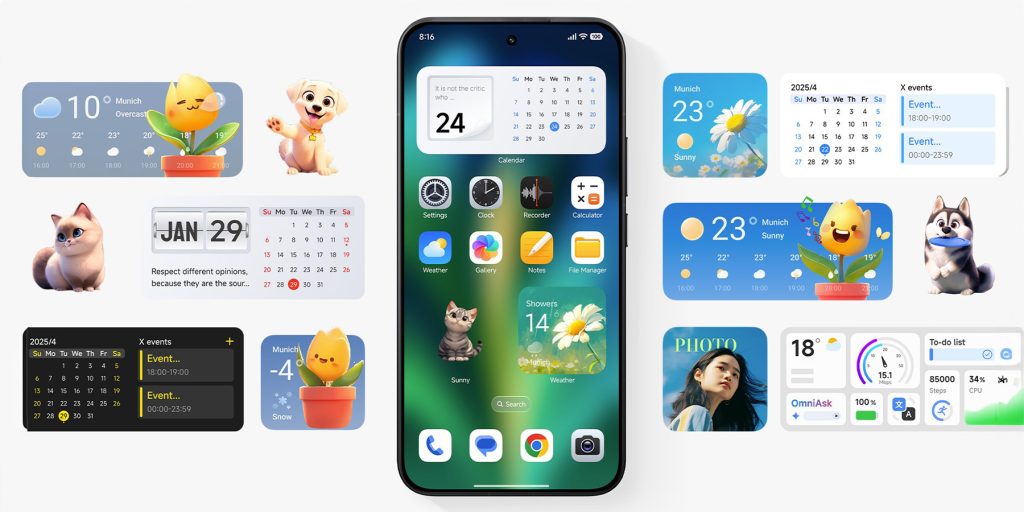
There are a number of Android brands that are known for basing designs on Apple’s work. Imitation is the sincerest form of flattery after all.
From Huawei to Xiaomi and numerous others, including Samsung, there has always been a concerted effort to usurp or at least mimic what is happening over in Cupertino, from hardware designs to the all-important software running on the phones – which is where a lot of the annoyances in 2026 are bound to be pronounced.
You can probably name about 10 phones over the past 12 months alone that share some of the DNA of a recent iPhone or previous-generation device. It’s one of the most frustrating aspects of Android, we see brands copy Apple while ditching good existing ideas and principles. The worst thing for consumers is that this is unlikely to change anytime soon.
A question of relevance

We’re acutely aware that Apple produces high-quality products in its own categories across a wide variety of platforms. One of the best things the company has been able to do is make technology seem aspirational. Leaning into high-end pricing has helped create a perception of quality that remains elusive to many Android manufacturers.
Looking at the market, it’s obvious why brands adopt many Apple principles. The company flat-out dominates the sales charts for premium smartphones and accessories.
These sales stand in tandem with the cultural chokehold the company has in many markets as a “luxury” or “aspirational” brand. It’s an easy way to entice those already captivated and ready to spend big bucks on Apple phones, tablets, watches, earbuds, and laptops.
It doesn’t take a rocket scientist to work out that if you make something similar at a lower price point, people will at least look at what your company is trying to do.
Copying Apple principles and implanting into an Android phone is an easy way to seem relevant, and likely why many brands use Apple’s performance numbers and specifications in keynotes as a way to entice those on-the-fence buyers or cautious consumers.
The Apple ripple effect
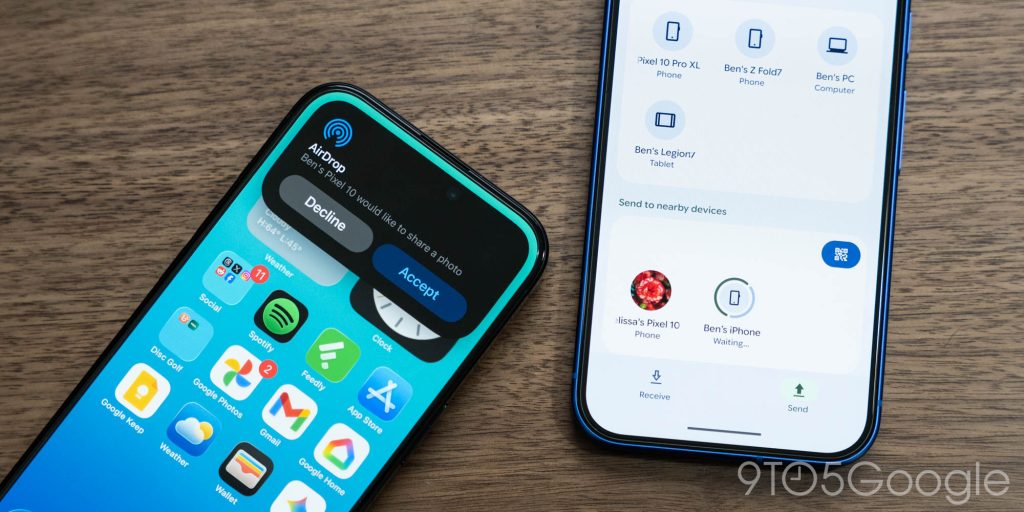

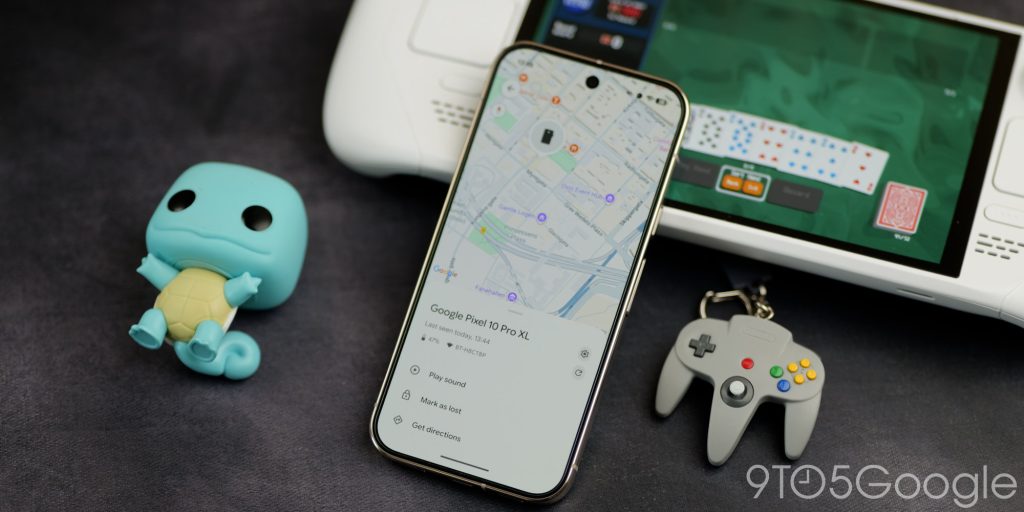
It’s almost as if when an Apple falls from the tree, the vibrations are felt even outside of the “walled garden.” While not all, a lot of what we praise on Android has its roots elsewhere.
There are almost no tech products created in a vacuum, so it’s no shock that many would-be players take a peek from time to time. We cover Google extensively here, and, yes, the company is also guilty of this, despite having strong products in its portfolio, from Pixel to Nest and the all-important software stack in between. Quick Share, Find Hub, and numerous other services have come as rebuttals to excellent iOS functionality.
We probably wouldn’t have growing update commitments that exceed iOS if it weren’t for Apple providing such extensive software support schedules.
Taking an idea and running with it isn’t an issue at all. In fact, it helps create incredible products. There is no real need for an Android OEM to copy Apple brazenly.
While some companies take things piecemeal, Android’s biggest player – Samsung – tends to have knee-jerk reactions to what Apple does or doesn’t do. Adding product lines, adopting materials, ditching things seemingly without rhyme or reason. The Korean tech giant makes some of the best hardware on the planet. As we note, it’s challenging to operate in a vacuum in the modern technology industry.
Criticism aside, Samsung is strong enough to carve out niches or lead in specific areas like the foldable space. Display technologies are another area of excellence to come out of Korea, but with Samsung, it almost always feels like Apple’s decisions shape how things are done.
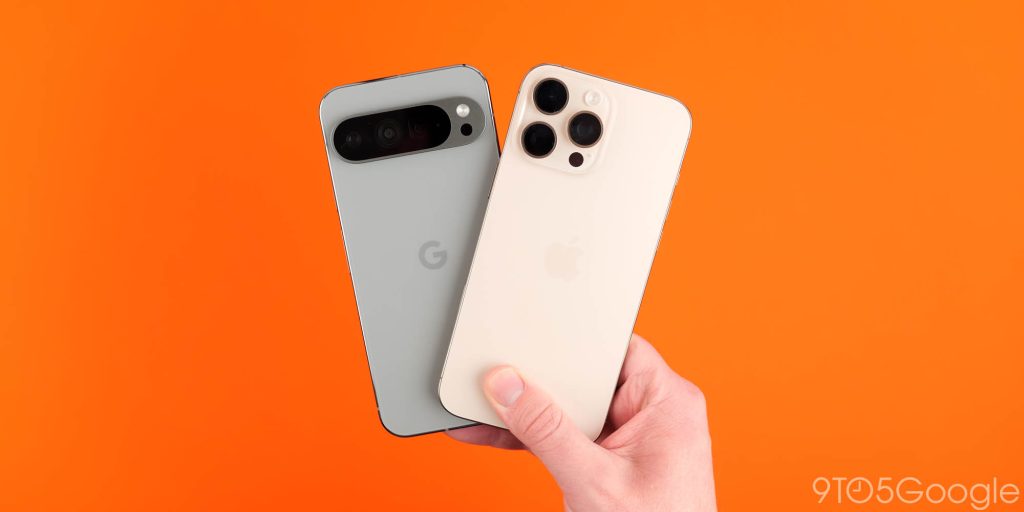
Looking back at Google for a second, while not a 1:1 copy, the first Pixel phone had all the major hallmarks of an iPhone. It spawned the “iPhone of Android” moniker, which has stuck despite numerous differences in hardware and, more importantly, software, in the almost 10 years since the original unveiling.
To make matters worse, over the past couple of years, Google has ceded ground by leaning even further into this trend, with the Pixel 9 resembling an iPhone in terms of shape, size, and stature. The influence cannot be denied. In tandem with enhanced marketing in the US targeting potential iPhone converts, things like Pixelsnap help with full cross-compatibility with Magsafe. Parity is becoming a key strategy for Pixel after years of experimentation and lagging sales.
This isn’t just about being nice to users; it’s about removing the last remaining reasons for a customer not to switch from an iPhone. If the hardware feels the same, the software looks the same, and the support lasts the same, the “risk” of switching is gone. However, it can backfire if not done correctly, and we still have concerns over this play as it feels very “US-oriented.”
Taking all the wrong things
Lots of cause-and-effect copying in late 2025 and likely throughout 2026 have been exaggerated with the launch of iOS 26.
As you are probably aware, Apple adopted a highly divisive “Liquid Glass” interface that forgoes many principles that have defined mobile operating systems over the past decade.
While the Pixel 10 looks like a covert iPhone, at least it offers true software differentiation. Google’s Material 3 Expressive is a delightful, playful reinterpretation of what Material You and dynamic, colorful software can and should offer.
It’s developing further on Pixel, and despite all its merits, the strength and uniqueness of the OS, a whole slew of Android makers have just flat-out decided to ignore it almost entirely to copy various Apple design principles rather than take on Google’s mantle.
The result is a mismatch of design principles that feel completely at odds with what Google has tried to cultivate with the Android platform over the past 3-4 years. It doesn’t help that Android OEMs are ordinarily slow to offer big platform updates, further fueling the feeling of a cheap knock-off experience.
With Google handling all the “core” apps and developers expected to follow a completely different design style, your phone could feel like a patchwork of ideas that conflict and do not complement one another.
Lowering the cost of innovation
You can’t make an omelet without breaking a few eggs, and that is true of innovation within the mobile space.
Hardware innovation is an area where many Android makers excel, but it comes at a cost that is exorbitant, to say the least. Displays, cameras, battery tech, biometrics, those are just the tip of the iceberg.
Software development is similarly expensive, and to save time, it could just be that brands look at what is going on elsewhere and just say, “make this.” It is easy to copy what Apple is doing if the company inspires the teams behind the Android software skins.
Does that truly save money? Maybe. It could save time too, as you have a tangible goal to hit as leading in software design is very different to doing so with hardware. It may be that this is easier if costs start to balloon, but it isn’t a strong foundation to build upon.
Let Android be Android

Here is the crux of the problem right now: A strong Android doesn’t need to copy to stay relevant.
Lean into what makes the platform and the hardware unique. We have form factors that are mature, different, interesting. Conversely, Apple doesn’t experiment often, whereas we see lots of form factors and new flavors on an almost monthly basis.
Google should do more to encourage Android makers to fully adopt Material 3 Expressive and help strengthen the appeal of our favorite operating system. Let the hardware speak for itself, but keep the software grounded in what makes Android strong.
Because smartphones in particular have very few major improvements year over year, the problem is more pronounced, as many of the hurdles that hindered Android have been overcome. Many brands need to understand that by trying to beat Apple at its own game, they risk losing the people who support their product portfolios.
Why buy something that mimics another product when that product exists? The fact is, most of us do not want an iPhone, and the sooner brands realise this, the better. Anything else just benefits Apple.
Follow Damien: Threads, Bluesky, Instagram


FTC: We use income earning auto affiliate links. More.